

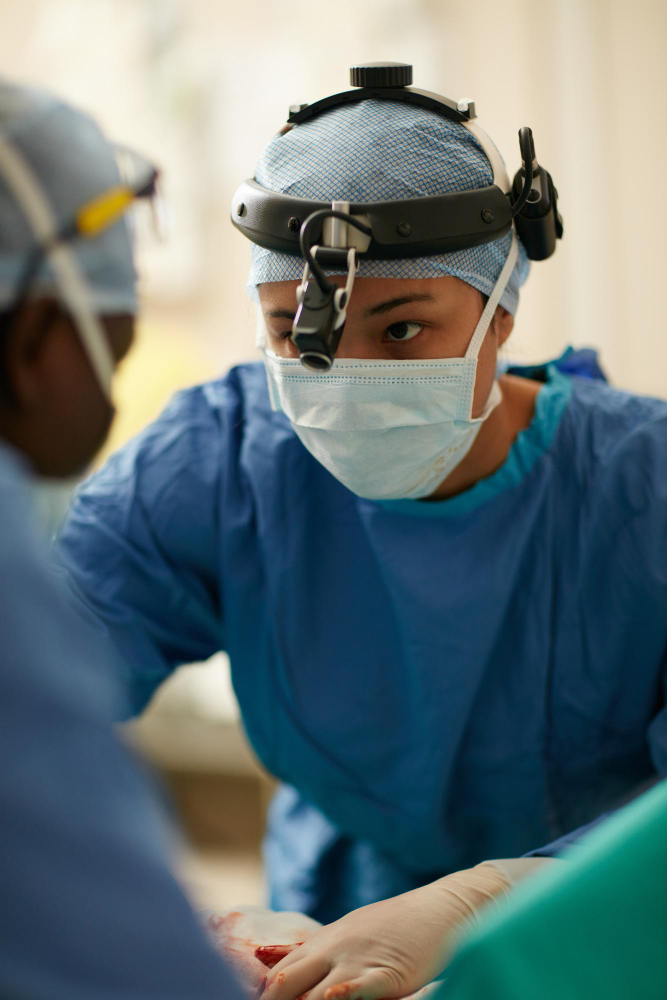








Recovery varies based on the procedure performed. Less invasive procedures may require only a few days to weeks of recovery, while more extensive surgeries can take several months for complete healing and rehabilitation. As we help you prepare for your TMJ surgery in Kansas City, we’ll talk through your specific care plan and what to expect during your recovery.

TMJ Surgery in Kansas City
Relief Is Possible
Advanced surgical solutions for TMJ disorders and jaw pain.
When Conservative Treatment Isn’t Enough
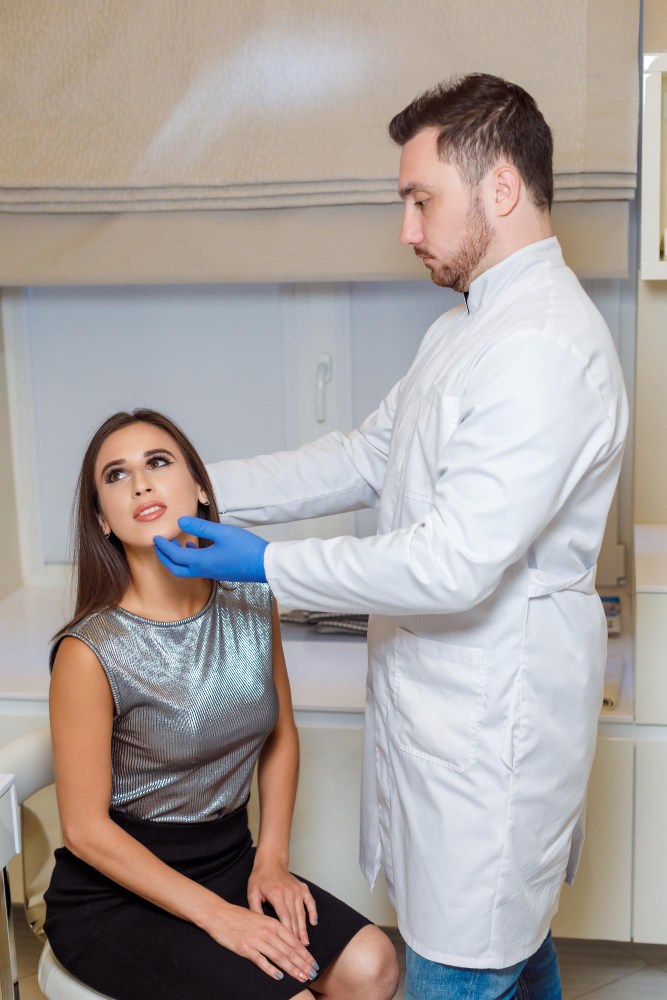
Most patients with TMJ disorders find relief through non-surgical treatments such as oral appliances, physical therapy, and Botox injections. However, when significant joint damage, chronic pain, or severe functional limitations persist, surgery may become the most effective option.
Expert Surgical Care
At Midwest Oral and Craniofacial Specialists, our oral and craniofacial surgeons provide comprehensive evaluation and advanced surgical treatment for complex TMJ disorders. Our goal is to restore comfort, improve jaw function, and help patients return to daily activities with confidence.
Before We Consider Surgery
Surgery is often the last line of treatment we’ll recommend. We often start with more conservative treatments first.
Botox for TMJ
Helps reduce muscle tension, clenching, headaches, and TMJ-related discomfort.
TMJ Physical Therapy
Focused exercises and therapy techniques may improve mobility and decrease pain.
What to Expect
Talk With Our Experts
Get in touch with our specialists to talk about next steps and treatment options.
Types of TMJ Surgery
In our Kansas City office, we use several techniques
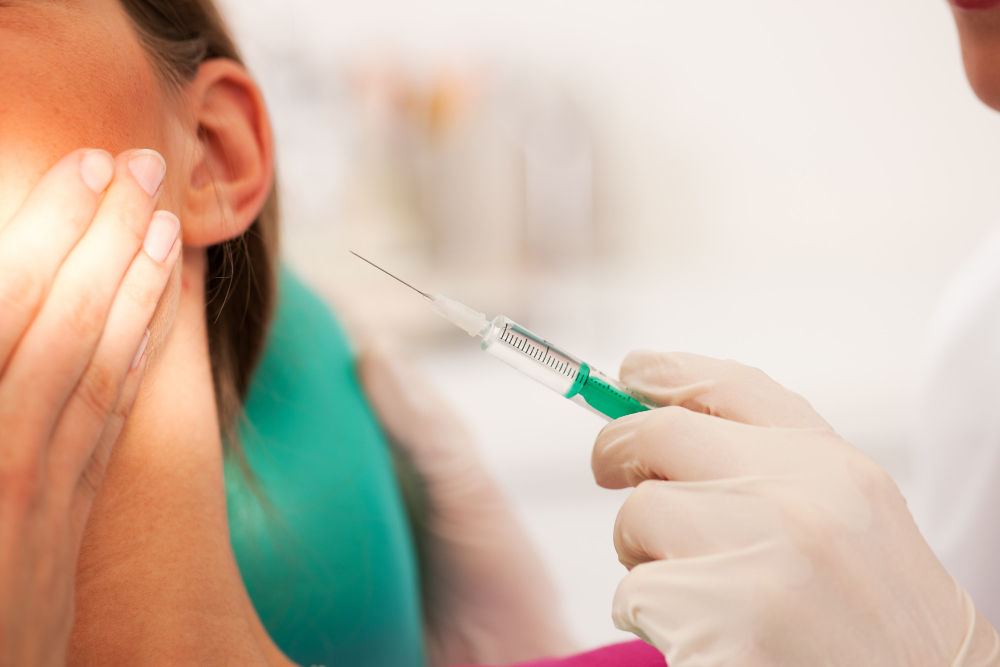
Arthrocentesis
A minimally invasive procedure that flushes the joint to reduce inflammation and improve mobility.
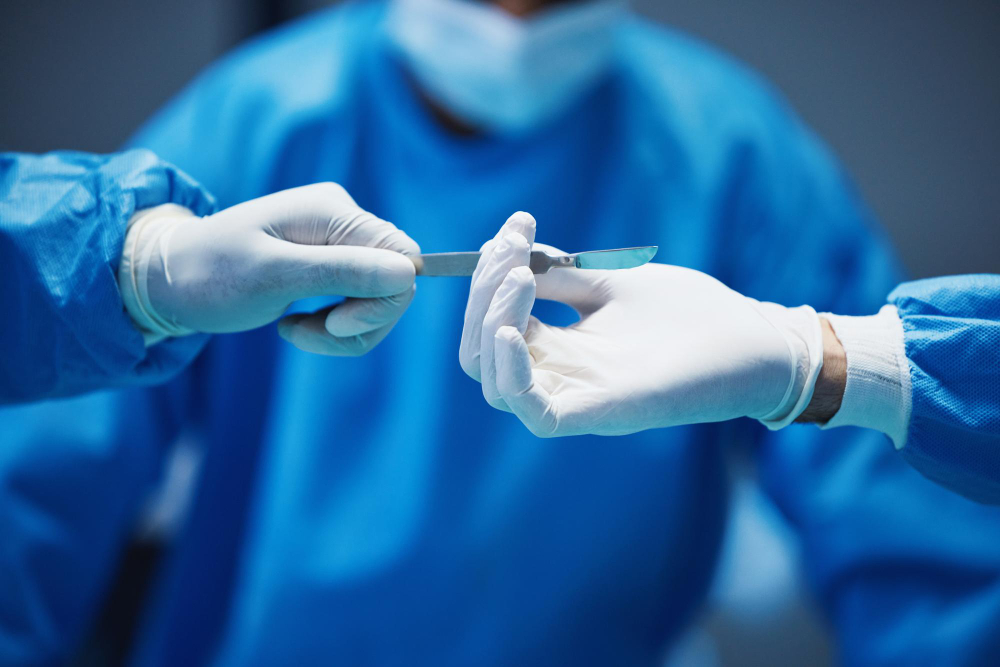
Arthroscopy
Uses specialized instruments and a small camera to diagnose and treat joint abnormalities through tiny incisions.
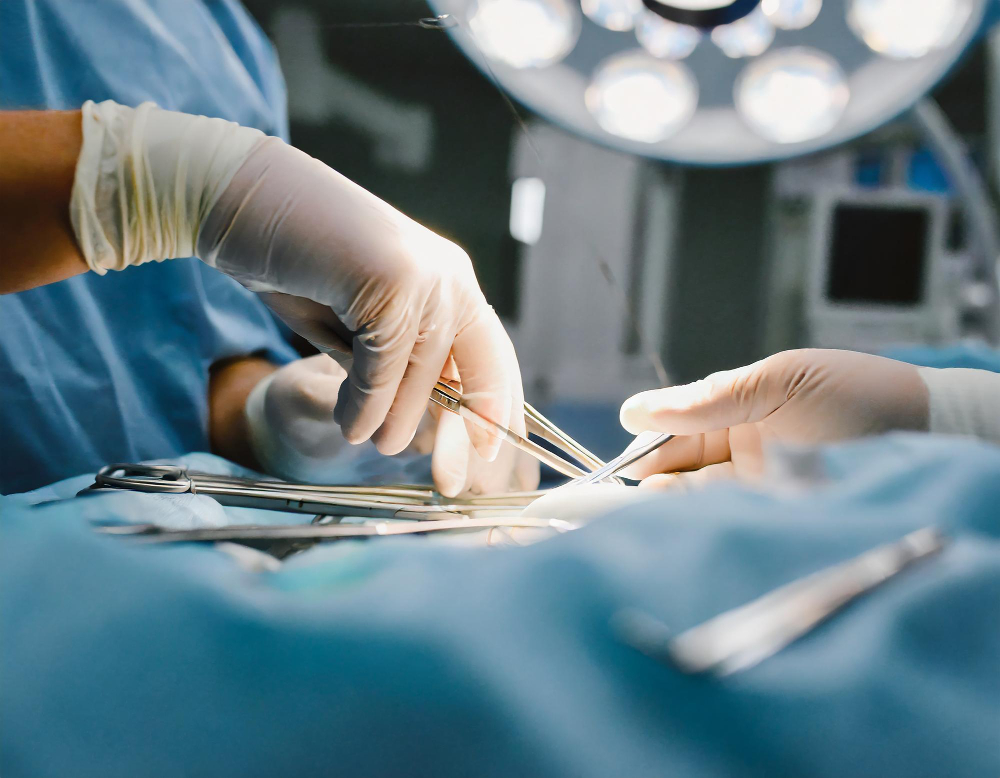
Open Surgery
Provides direct access to the joint when more extensive repair or reconstruction is required.
Joint Replacement
Reserved for severe cases involving significant joint destruction or loss of function.
Advanced Surgical Care
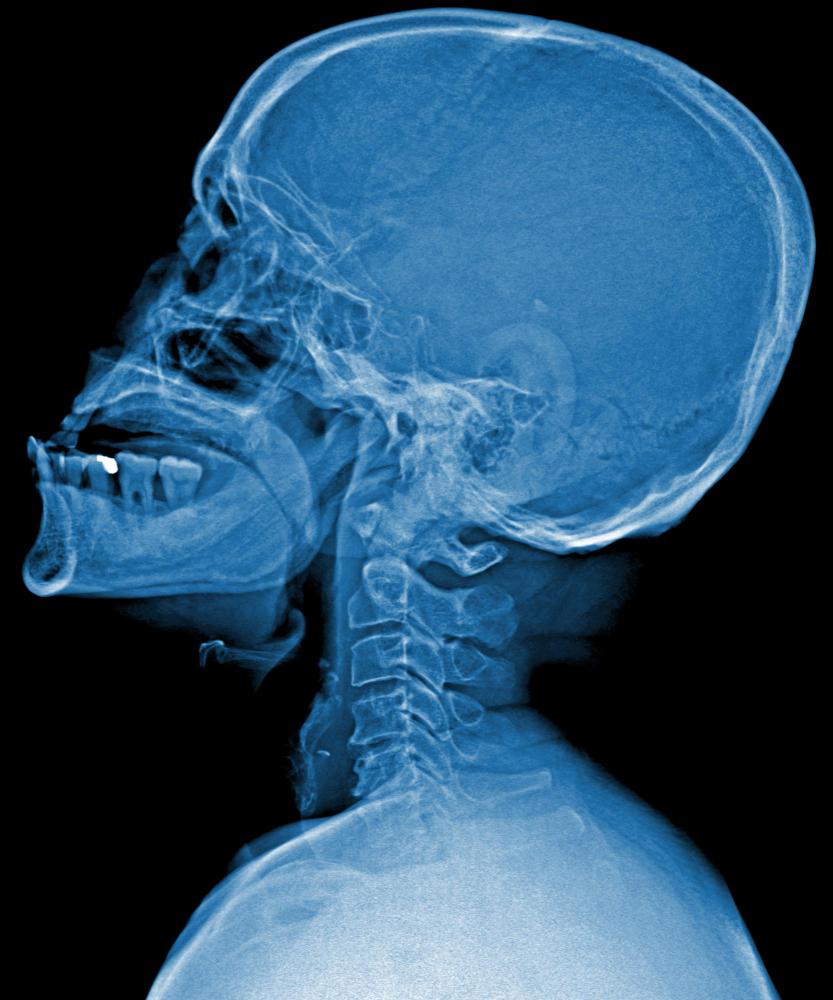
Our team utilizes advanced imaging, treatment planning technology, and specialized surgical techniques to diagnose complex TMJ disorders and deliver precise, effective treatment. This technology allows us to better understand joint function and create personalized surgical plans for every patient.
What to Expect After TMJ Surgery
Early Recovery
Most patients experience swelling, soreness, and temporary dietary restrictions while the joint heals.
Rehabilitation Support
Physical therapy and guided exercises may be recommended to restore mobility and function.
Follow-Up Care
Regular follow-up appointments allow us to monitor healing and address any concerns throughout recovery.
Long-Term Results
Many patients experience significant improvements in comfort, jaw function, and overall quality of life after treatment.
Find the Care You Need
Navigate your next steps with confidence and personalized recommendations.

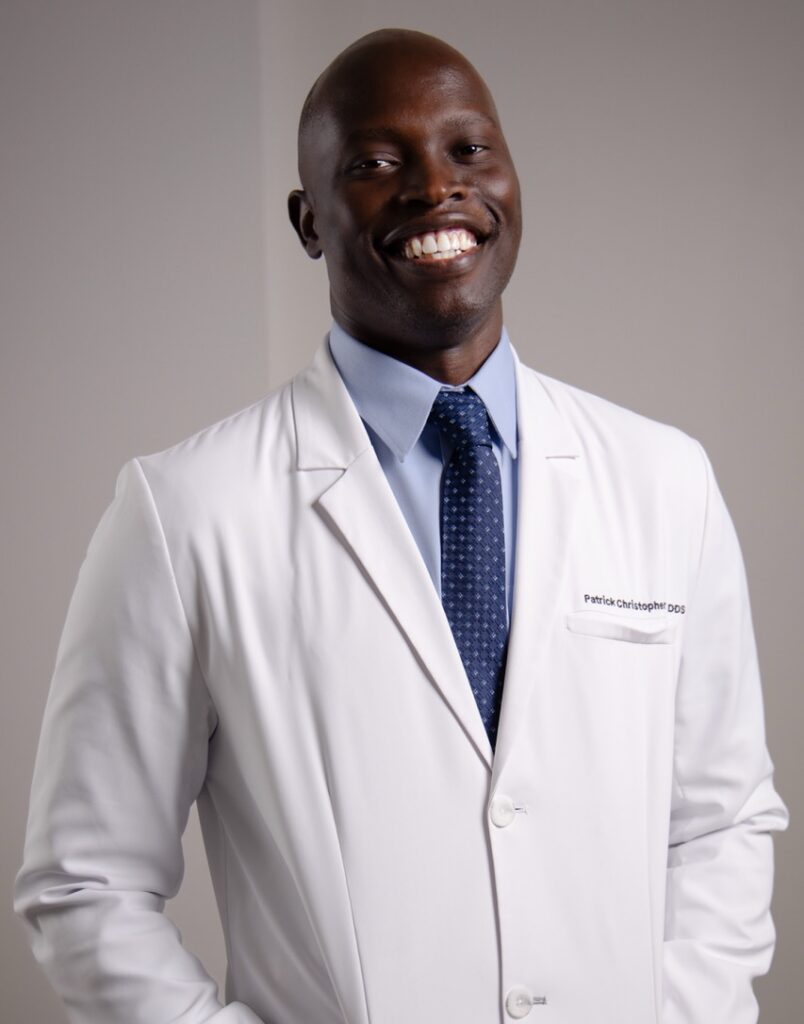
Meet Our Craniofacial Specialists
We Are on Every Insurance Plan
We know that accessible craniofacial care is important.
Frequently Asked Questions
No, most patients find relief from their symptoms with conservative care options like mouth guards and physical therapy. Surgery is only used in cases where there is extreme structural damage, severe chronic pain, or functional impairment that prevents normal activities.
Coverage varies depending on your insurance plan and the medical necessity of the procedure. Our team can help review benefits and discuss coverage options before your TMJ surgery in Kansas City.


Compassionate Care for Complex Needs
Helping patients and families find trusted care with confidence and support.