













No. While some conditions benefit from surgical treatment, others may be managed through therapy services, orthodontic care, monitoring, or a combination of approaches.

Craniofacial Disorders Kansas City
Find the Care You Need
Specialized treatment for complex craniofacial conditions.
What Are Craniofacial Disorders?
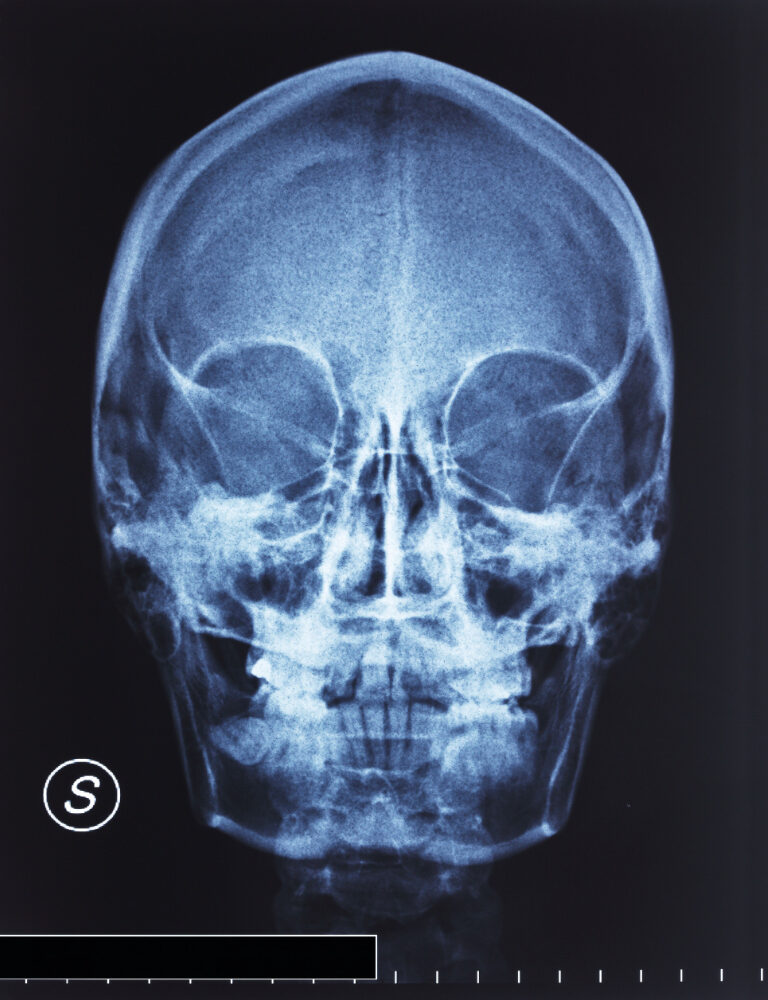
Craniofacial disorders are conditions that affect the growth, development, or function of the skull, face, jaws, mouth, or related structures. Some are present at birth, while others develop as a result of injury, growth abnormalities, or medical conditions.
Comprehensive Evaluation Matters
Because craniofacial conditions can impact appearance, speech, breathing, feeding, hearing, and overall quality of life, early diagnosis and coordinated care are often important. Our specialists work together to create personalized treatment plans that are focused on both immediate function and long-term care for our patients with craniofacial disorders in Kansas City.
Common Signs & Symptoms
We see a variety of craniofacial disorders in our Kansas City office, and symptoms vary based on the condition.
Facial Asymmetry
Differences in facial growth, shape, or symmetry may become more noticeable as a child develops.
Speech Difficulties
Structural differences affecting the palate, jaw, or airway can impact speech clarity and communication.
Feeding Challenges
Infants and children may experience difficulty feeding, swallowing, or maintaining proper nutrition.
Breathing Concerns
Certain craniofacial conditions can affect airway development and contribute to breathing or sleep-related issues.
Talk With Our Experts
Get in touch with our specialists to talk about next steps and treatment options.
How We Diagnose Craniofacial Conditions
Find the Care You Need
Navigate your next steps with confidence and personalized recommendations.

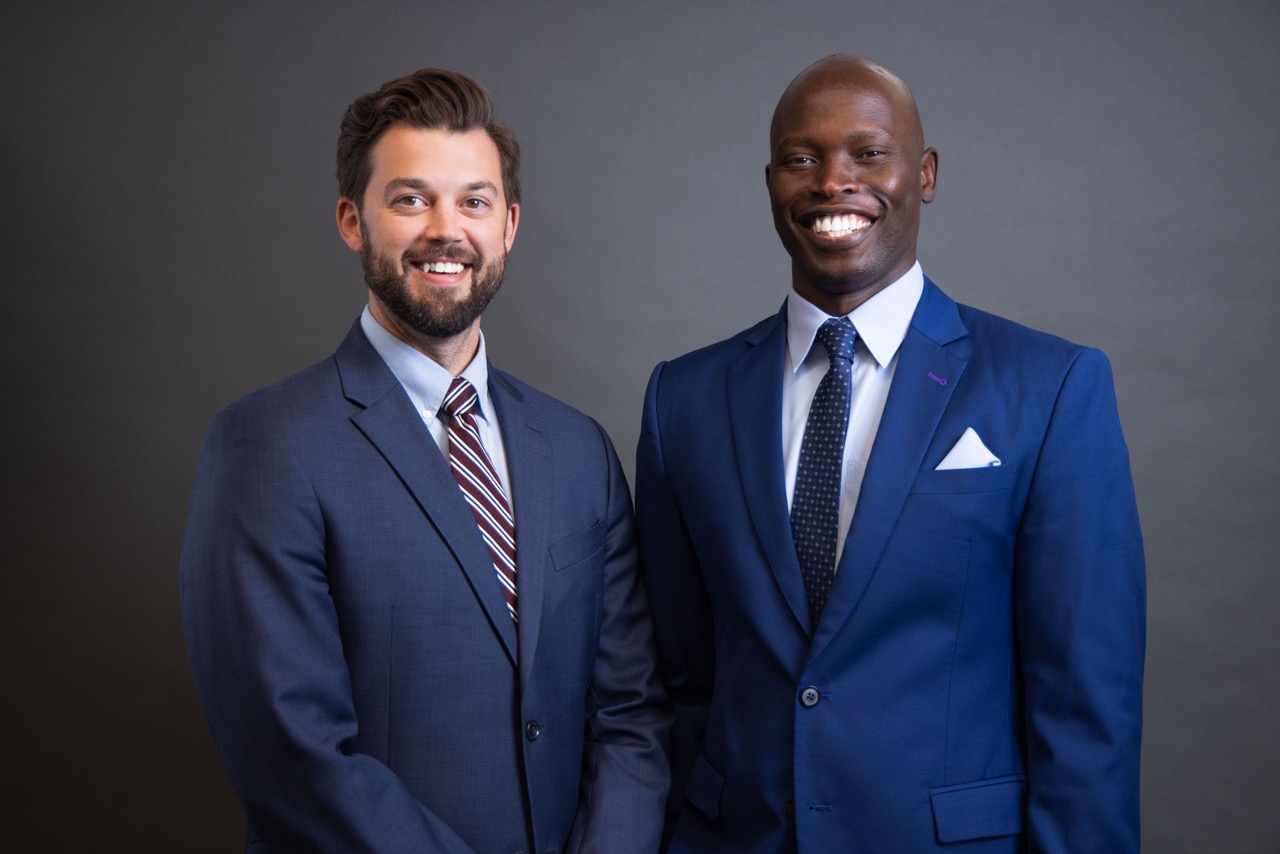
Meet Our Craniofacial Specialists
We Are on Every Insurance Plan
We know that accessible craniofacial care is important.
Frequently Asked Questions
Evaluation can occur at any age. Many craniofacial conditions are diagnosed during infancy or childhood, but some concerns are not identified until later.
Some patients require ongoing monitoring and treatment throughout growth and development, while others may only need short-term intervention.
Yes. We are committed to reducing barriers to specialized care and accept Medicaid along with every major insurance plan.
Compassionate Care for Complex Needs
Helping patients and families find trusted care with confidence and support.