
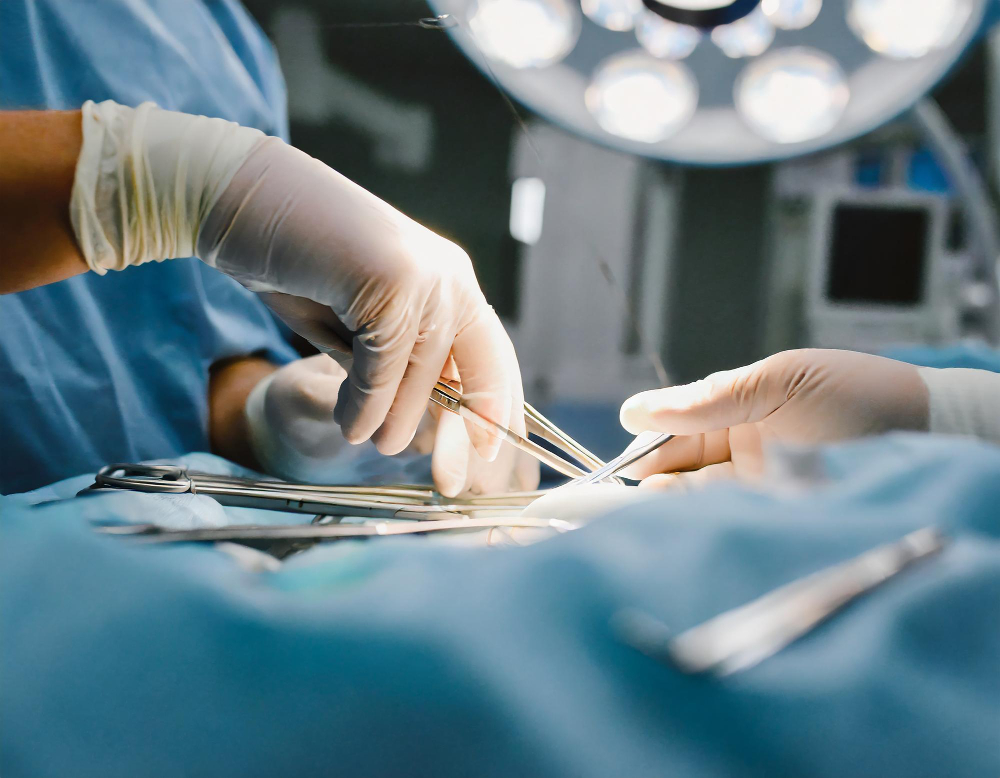











Timing varies by case, but cleft lip repair is often performed within the first few months of life, while palate repair is typically completed within the first year.

Cleft Lip Treatment Kansas City
Early Care Matters
An estimated 1 in 750 babies globally are born with a cleft. Expert care can help make their lives easier.
What Is a Cleft Lip
or Palate?
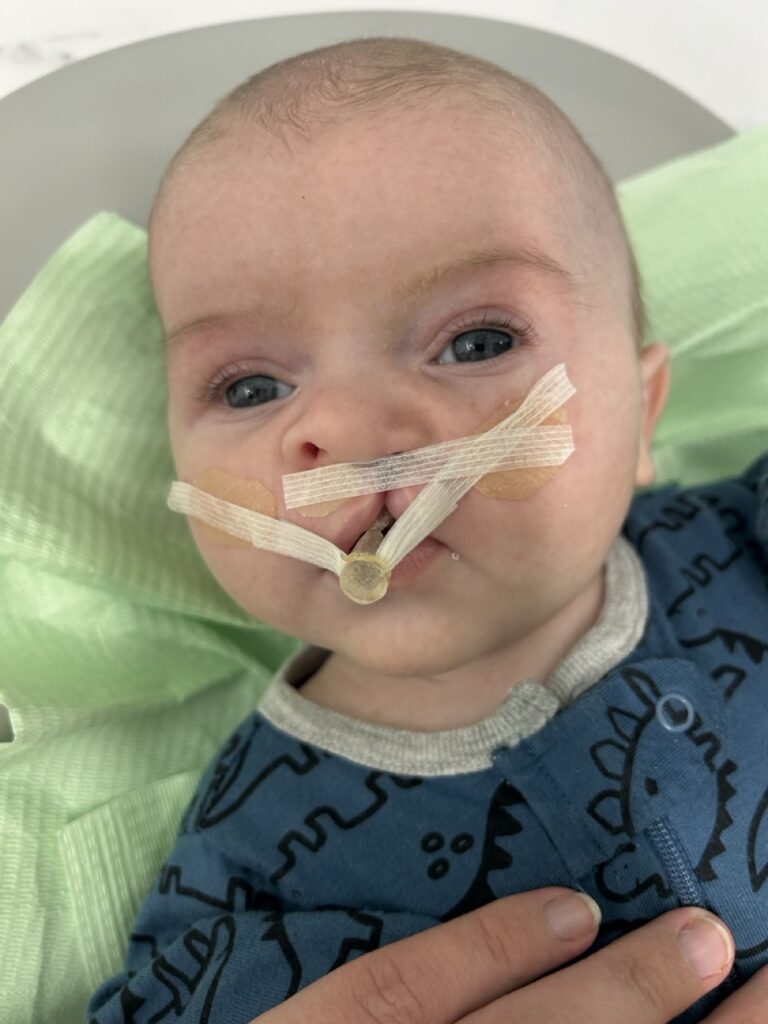
A cleft lip or palate is a congenital condition where the lip, roof of the mouth, or both do not fully form during early pregnancy. This opening can affect appearance, feeding, speech, and dental development, and often requires coordinated long-term care from a multidisciplinary team.

Why Cleft
Conditions Need
to Be Treated
The effects of a cleft lip or palate vary based on the severity of the split, but most often affect speech and feeding.
Feeding Difficulties
Infants with a cleft palate may have difficulty creating suction, making feeding challenging and requiring specialized feeding strategies or support.
Speech Development Issues
Cleft conditions can impact how air flows through the mouth and nose, affecting speech clarity, resonance, and language development over time.
Talk With Our Experts
Get in touch with our specialists to talk about next steps and treatment options.
What to Expect


Coordinated
Lifelong Care
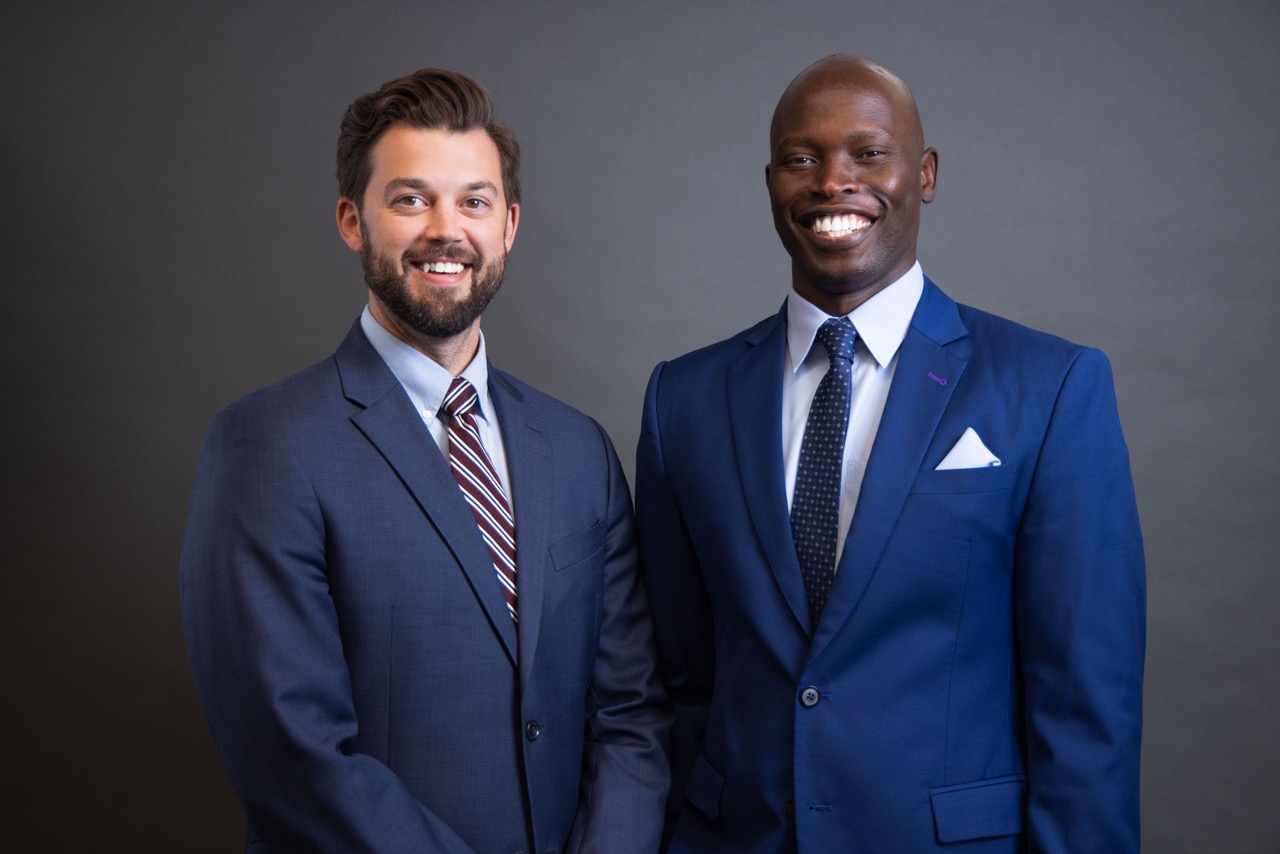
Cleft treatment is not a single procedure—it is a long-term journey. Our multidisciplinary team works together to support patients from infancy through adolescence and into adulthood when needed. By combining surgical care, speech therapy, orthodontics, and feeding support, we ensure every aspect of development is carefully guided and supported.
Find the Care You Need
Navigate your next steps with confidence and personalized recommendations.

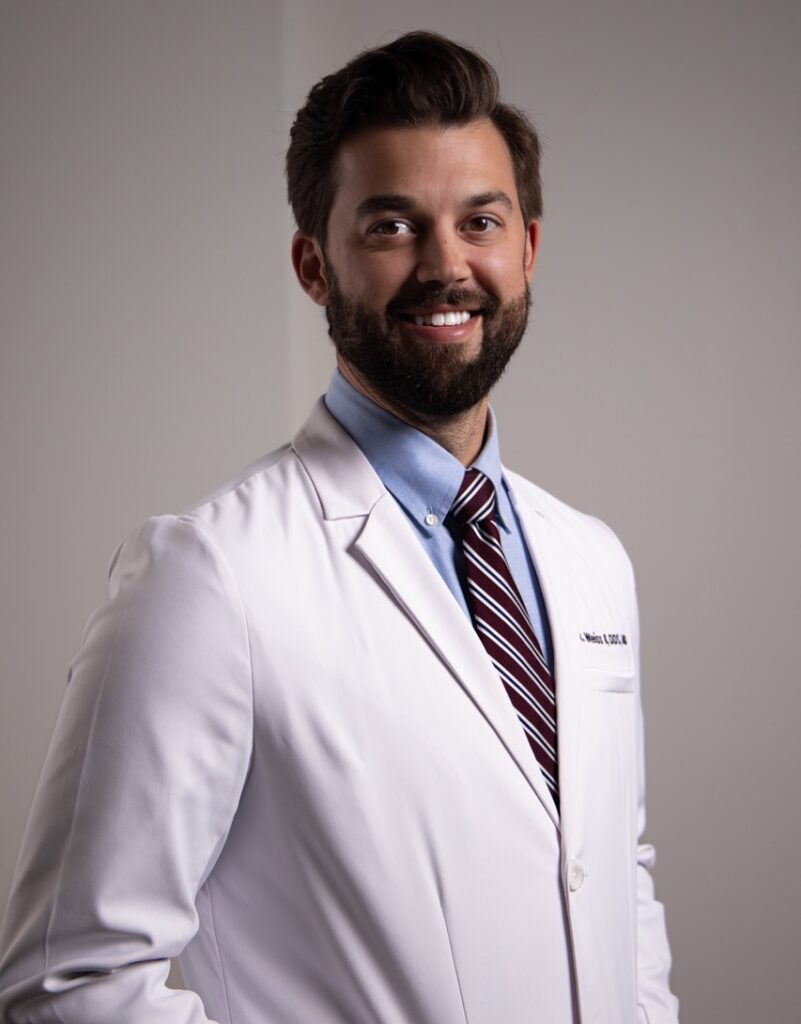
Meet Our Cleft Specialists
We Are on Every Insurance Plan
We know that accessible craniofacial care is important.
Frequently Asked Questions
Some patients require staged procedures over time depending on growth, development, and the severity of the cleft condition.
Yes. Cleft lip and palate can impact speech development, which is why speech therapy is often part of long-term treatment.
Care may include craniofacial surgeons, speech pathologists, orthodontists, pediatricians, and feeding specialists working together as a team.
Hear From Our Patients
Hear from the patients and families who have trusted Midwest Cleft & Craniofacial Specialists for expert, compassionate care.
Compassionate Care for Complex Needs
Helping patients and families find trusted care with confidence and support.