

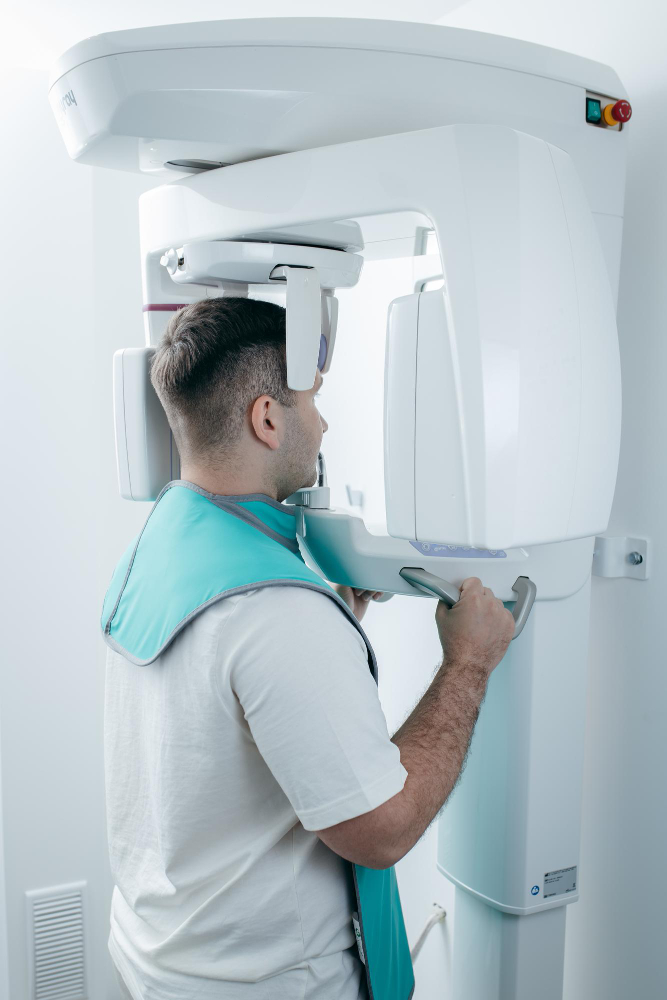














TMJ disorders can develop from jaw injuries, arthritis, teeth grinding, clenching, bite misalignment, muscle tension, or a combination of factors. If you’re looking for TMJ relief in Kansas City, Midwest Oral and Craniofacial Specialists can help you determine the cause of your TMJ and recommend treatments that help manage your unique condition.

TMJ Relief in Kansas City
Relieve Jaw Tension
Helping patients find answers for jaw pain, headaches, and TMJ disorders.
You Don’t Have to Live With Jaw Pain
Many people assume jaw pain is simply something they have to tolerate. In reality, TMJ disorders are highly treatable. At Midwest Oral and Craniofacial Specialists, we work to identify the root cause of your symptoms and create a personalized treatment plan focused on long-term relief and improved function.
Understanding TMJ Disorders
The temporomandibular joints (TMJs) connect your jaw to your skull and play an important role in speaking, chewing, and everyday movement. When these joints or the surrounding muscles become irritated or dysfunctional, patients may experience pain, limited movement, headaches, and other uncomfortable symptoms.
Common Signs & Symptoms
TMJ disorders can affect much more than just the jaw.
Jaw Pain
Pain, soreness, or tenderness around the jaw joints, cheeks, or surrounding muscles.
Headaches
Frequent headaches or migraines that may originate from jaw tension and muscle strain.
Clicking & Popping
Clicking, popping, or grinding sounds when opening or closing the mouth.
Limited Jaw Movement
Difficulty fully opening the mouth, chewing comfortably, or moving the jaw normally.
Talk With Our Experts
Get in touch with our specialists to talk about next steps and treatment options.
The TMJ Evaluation Process
Find the Care You Need
Navigate your next steps with confidence and personalized recommendations.

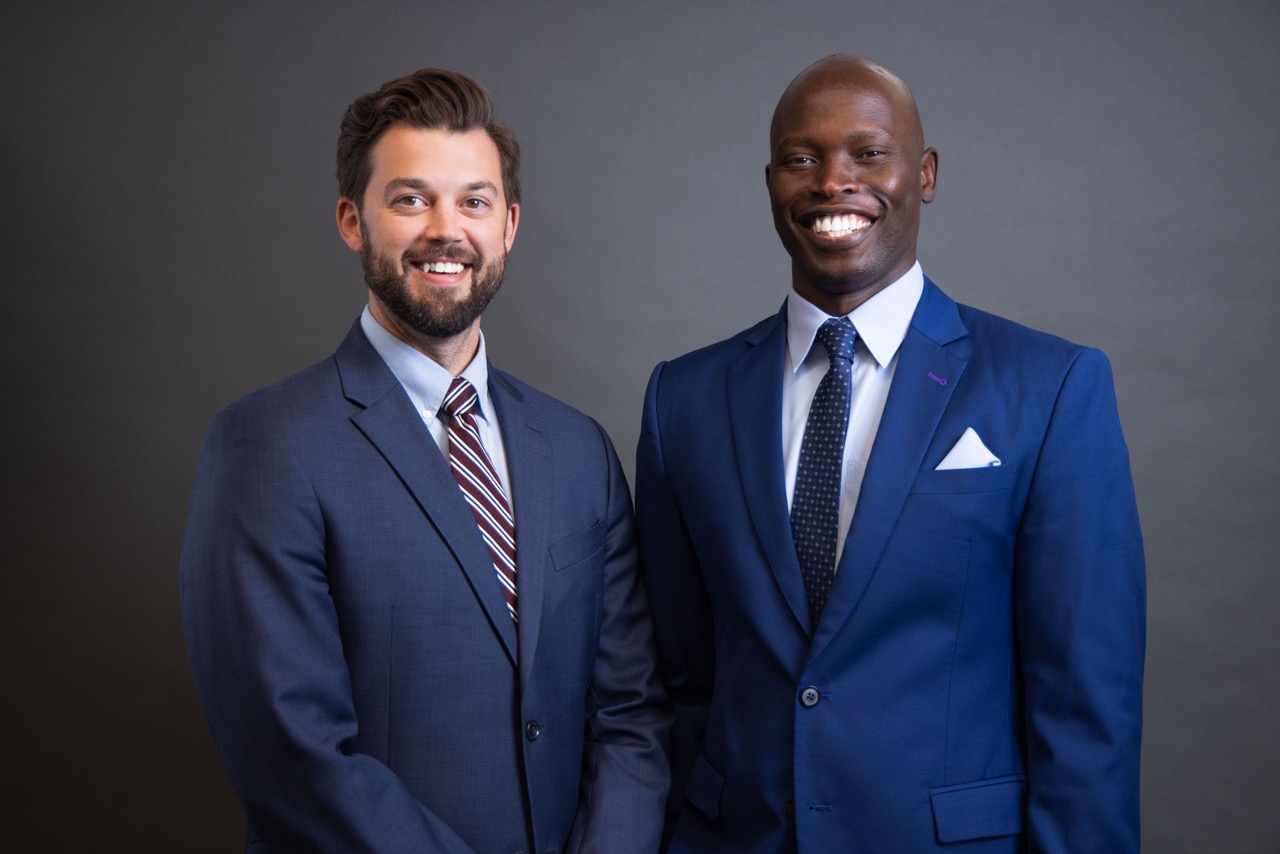
Meet Our Craniofacial Specialists
We Are on Every Insurance Plan
We know that accessible craniofacial care is important.
Frequently Asked Questions
Yes. Many patients experience headaches, facial pain, neck discomfort, or migraines related to TMJ dysfunction and muscle tension.
Most patients begin with conservative treatment options. Surgery is typically considered only when non-surgical approaches are not providing sufficient relief or when structural problems are present.
If you experience jaw pain, clicking, popping, locking, headaches, or discomfort while chewing, a TMJ evaluation can help determine whether the joint is contributing to your symptoms.
Compassionate Care for Complex Needs
Helping patients and families find trusted care with confidence and support.