













For certain TMJ cases, yes. Surgery is usually the last line treatment for TMJ disorders. We typically only recommend TMJ surgery when conservative treatments like physical therapy, TMJ appliances, and Botox fail to provide lasting relief or if there are severe concerns like jaw dislocation.

TMJ Physical Therapy in Kansas City
Restoring Comfort
and Movement
Eliminate pain and support proper jaw function with physical therapy.
You Don’t Need to Live With Jaw Pain
If you’re struggling with daily discomfort from TMJ symptoms, it can feel really discouraging because basic things like eating and chatting with friends become painful. However, at Midwest Oral and Craniofacial Specialists, we offer physical therapy for TMJ in Kansas City to help you find lasting relief and reclaim your daily comforts.
Signs Physical Therapy Can Help
If you’re experiencing any of the following, it may be time to schedule a consultation.
Daily Discomfort
Symptoms are acting up enough that you are having daily pain and difficulty.
Reduced Mobility
Your jaw is noticeably locking up and making it difficult to eat or talk.
Referred Pain
You’re noticing pain around your ears/neck or chronic tension headaches.
First-Time Treatment
If you’ve not had treatment before, physical therapy is often what we’ll recommend.
What TMJ Physical Therapy Can Look Like
How Physical Therapy Helps TMJ
Physical therapy includes multiple benefits that help you find relief.

Improving Jaw Mobility
Regular physical therapy exercises can help improve jaw movement and function.

Reducing Tension & Pain
Improving mobility can help relieve tight muscles and reduce painful tension.

Building New Habits
Adding in regular stretches, reducing stress, and avoiding triggering habits create lasting relief.
Talk With Our Experts
Get in touch with our specialists to talk about next steps and treatment options.
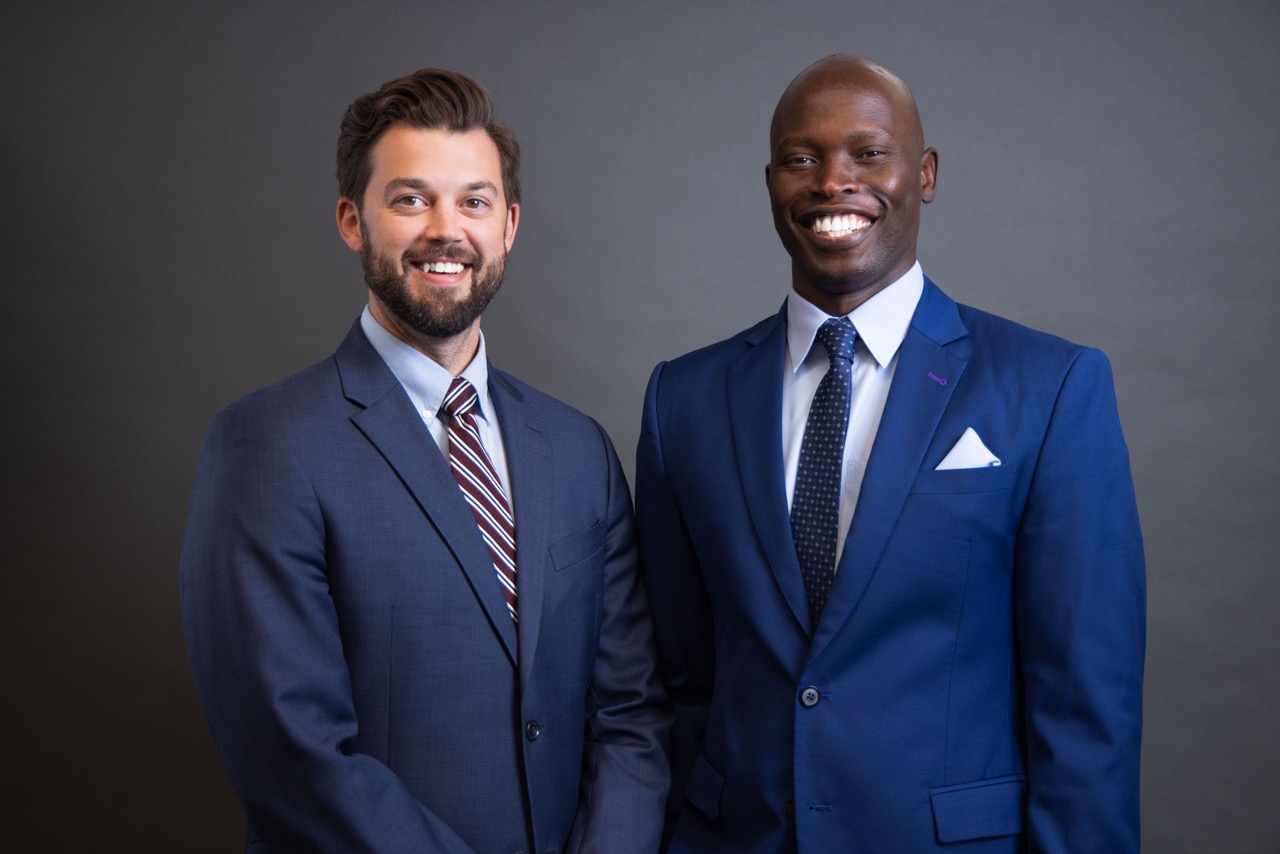
Meet Our Craniofacial Specialists
Find the Care You Need
Navigate your next steps with confidence and personalized recommendations.

We Are on Every Insurance Plan
We know that accessible craniofacial care is important.
Frequently Asked Questions
Physical therapy and regular practice with recommended at-home exercises can help reduce TMJ symptoms and provide lasting relief. While TMJ cannot be cured, regular PT can provide consistent relief from symptoms and allow you to get back to living your life uninhibited by jaw pain.
Most patients start to feel relief after 1 to 2 weeks of starting their physical therapy for TMJ. In Kansas City, our therapists work with patients to create a customized treatment plan based on the severity of your TMJ symptoms. Significant functional improvement often happens around the 6 week mark. We typically recommend 4 to 8 weeks of physical therapy in office, but again, this depends on your progress and symptoms.


Compassionate Care for Complex Needs
Helping patients and families find trusted care with confidence and support.